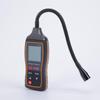
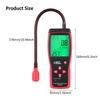
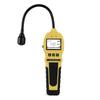
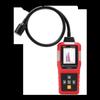
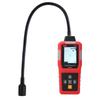
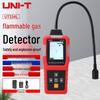
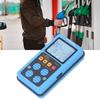
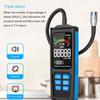
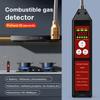
Professional 4 IN 1 UT334L Natural Gas Detector Combustible Gas Leak Detector Locating The Source of Methane Propane Sound & Screen Alarm For home
UT334L Combustible Gas Leak Detector
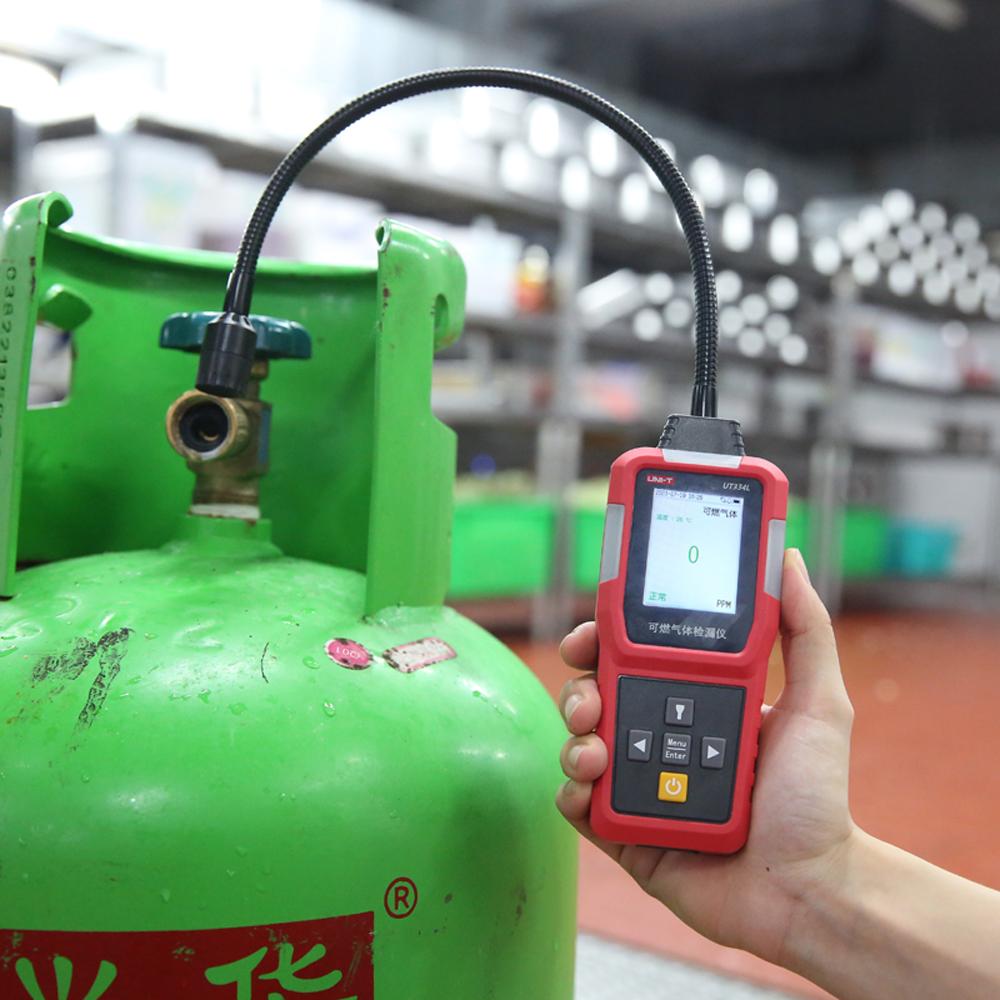
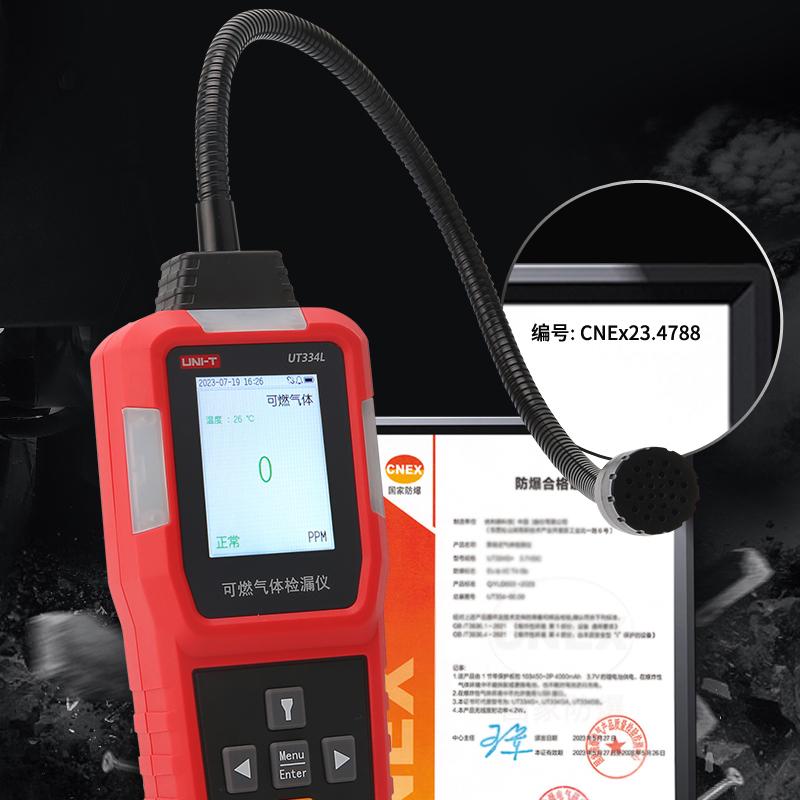
UT334L Leak detector adopts free diffusion method to detect gas, the sensitive element adopts high-quality gas sensor, with excellent sensitivity and excellent repeatability, easy to use and maintain, which greatly meets the requirements of industrial site safety monitoring on the reliability of the equipment.
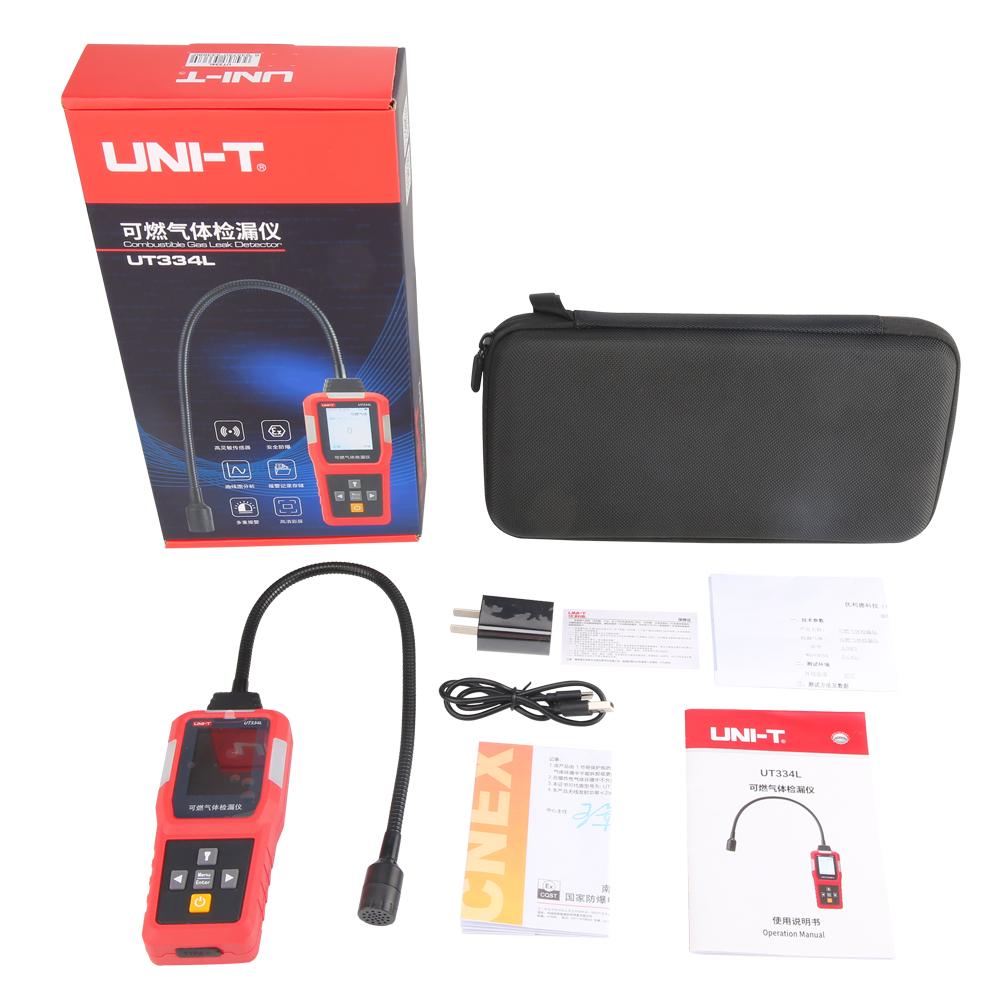
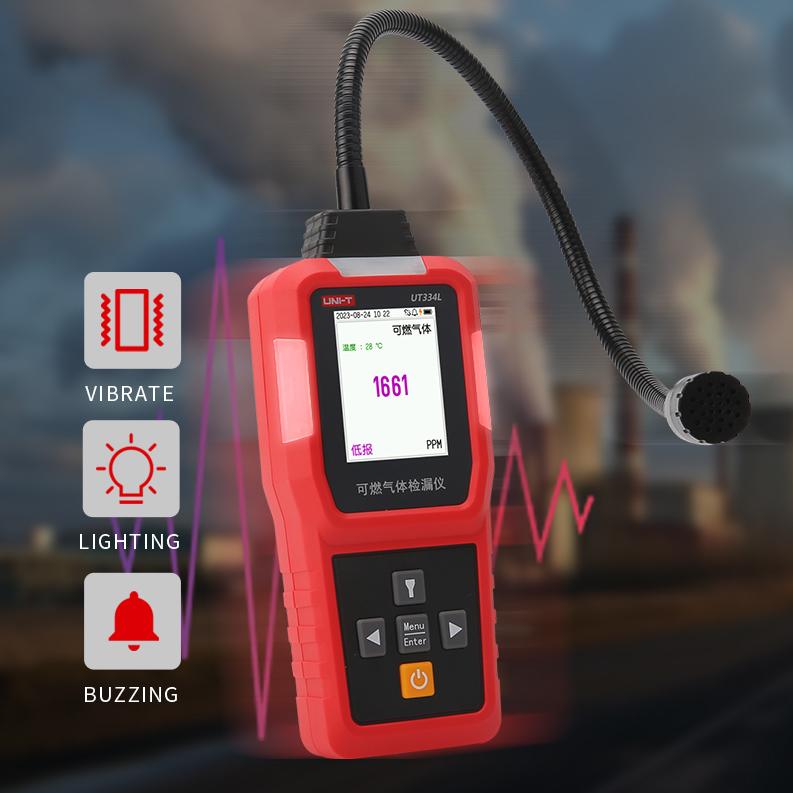
Ensuring safety in homes, workplaces, and industrial environments starts with reliable detection technology. The UNI-T UT334L Combustible Gas Leak Detector is a high-performance, handheld device engineered to detect flammable gases such as natural gas, propane, and butane with precision. With its integrated sound, light, and vibration alarms, this gas tester delivers immediate alerts in any environment—whether you're inspecting a kitchen appliance, checking a gas line in a garage, or conducting safety checks in a commercial kitchen. Designed for both professionals and everyday users, the UT334L combines advanced sensor technology with user-friendly features to provide peace of mind where it matters most.
What If You Can’t Smell a Gas Leak? How This Detector Saves Lives
Imagine turning on your stove and noticing no gas smell—yet your home is filled with invisible, potentially explosive gas. This is a real risk, especially for individuals with reduced sense of smell or in poorly ventilated areas. The UNI-T UT334L eliminates guesswork by detecting combustible gases before they reach dangerous levels. One user from Texas shared: “I used to rely on my nose, but after a close call with a faulty water heater, I bought this detector. It saved me when it went off in my basement—there was a tiny leak from a pipe joint I never would’ve noticed.”
Unlike traditional methods that depend on human senses, the UT334L uses a catalytic bead sensor to detect gas concentrations as low as 1% LEL (Lower Explosive Limit). This means it triggers an alarm before gas reaches a hazardous level, giving you time to act.
Combustible Gas
Any flammable gas that can ignite when mixed with air in certain concentrations. Common examples include methane (natural gas), propane, and butane. These gases are odorless in their pure form, making detection critical for safety.
LEL (Lower Explosive Limit)
The minimum concentration of a gas in air that can ignite and cause an explosion. The UT334L alerts at 1% LEL, well below the danger threshold, ensuring early warning.
Catalytic Bead Sensor
A type of gas sensor that detects combustible gases by measuring changes in resistance caused by gas combustion on a heated bead. It’s highly sensitive and widely used in industrial safety devices.
How Does the UT334L Stand Out in a Crowded Market?
With so many gas detectors on the market, why choose the UNI-T UT334L? Let’s compare it to other common models using real-world performance metrics.
Feature UNI-T UT334L Basic Model A Pro Model B
Gas Type Detected Natural gas, propane, butane Natural gas only Natural gas, propane, butane, methane
Alarm Type Sound, light, vibration Sound only Sound and light
LED Flashlight Yes (100-lumen) No Yes (50-lumen)
Response Time < 5 seconds < 10 seconds < 6 seconds
Battery Life Up to 100 hours (AAA x 2) Up to 50 hours (AAA x 2) Up to 80 hours (AAA x 2)
IP Rating IP65 (dust and water resistant) IP40 (dust resistant only) IP65
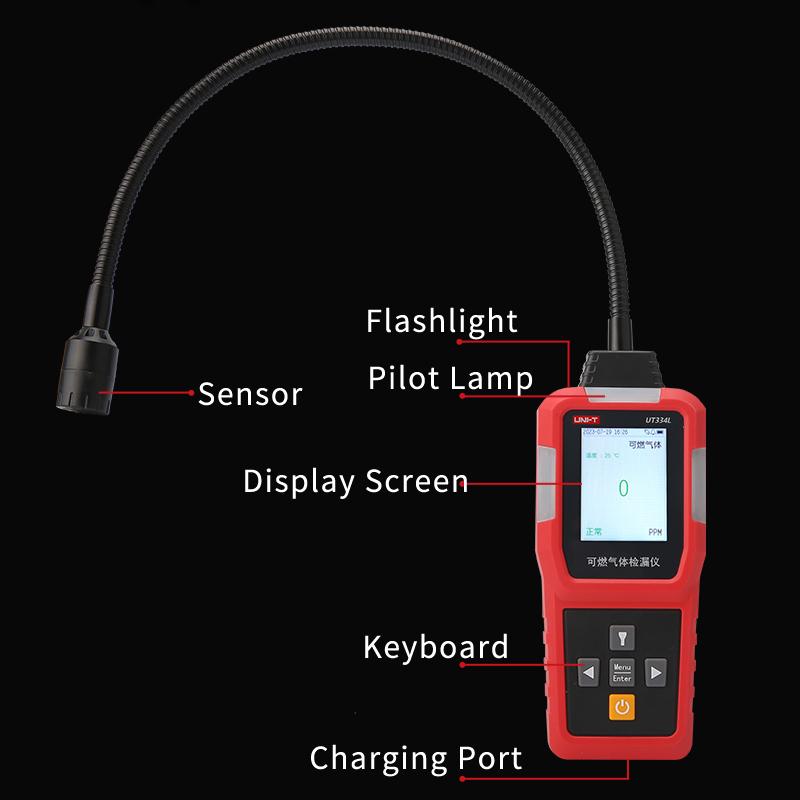
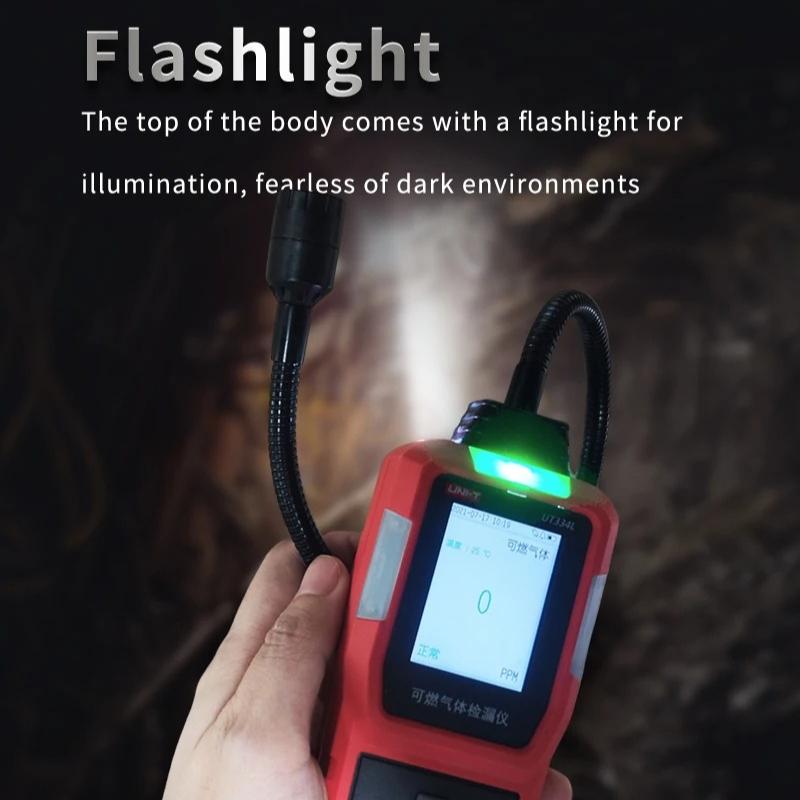
As shown in the table, the UT334L offers superior performance across multiple categories. Its triple-alarm system (sound, light, vibration) ensures alerts are noticed even in noisy or dark environments—ideal for nighttime checks or industrial settings. The built-in LED flashlight adds versatility, allowing users to inspect dark corners, crawl spaces, or emergency areas without needing a separate light source.
How to Use the UT334L for Maximum Safety – A Step-by-Step Guide
Proper use is key to effective gas detection. Follow these steps to ensure accurate and reliable results:
Power On: Press and hold the power button for 2 seconds. The device will boot up and display the current gas concentration.
Calibrate (if needed): If the device has been stored for a long time or used in extreme conditions, perform a calibration using a known gas source or follow the manufacturer’s instructions.
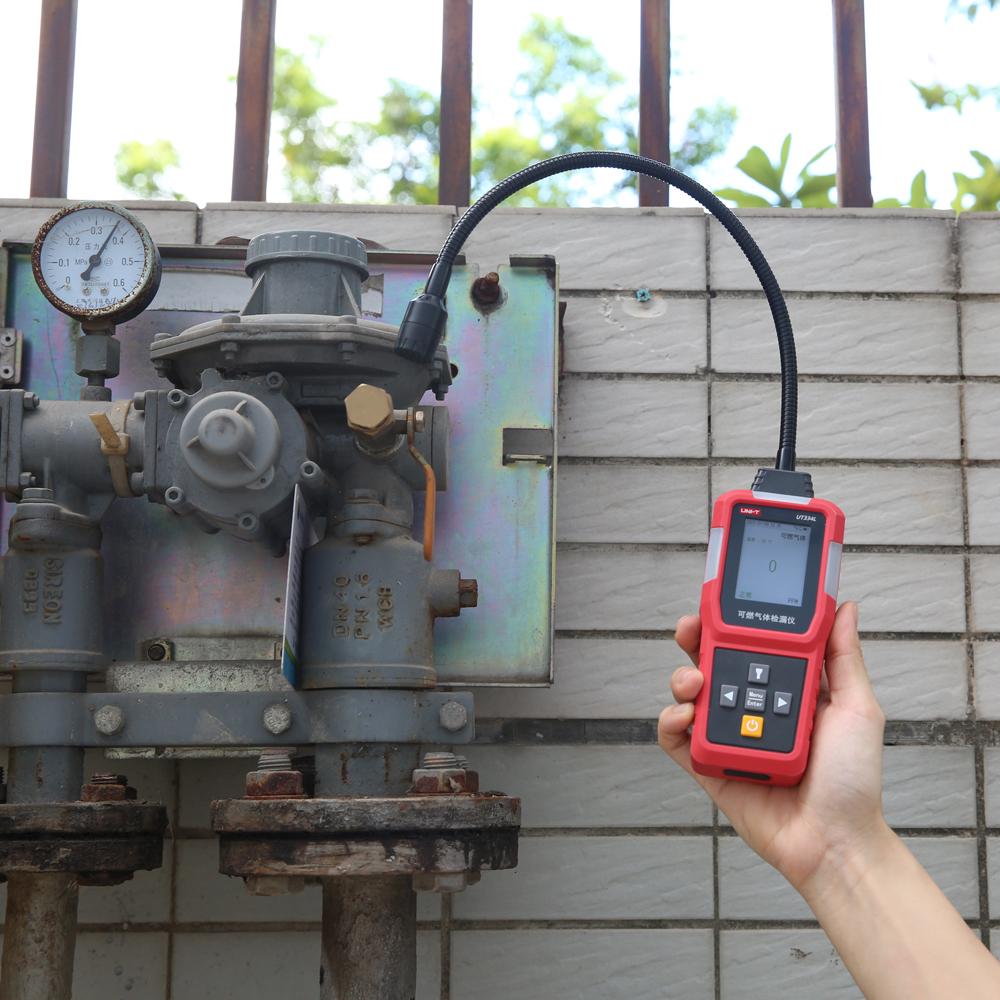
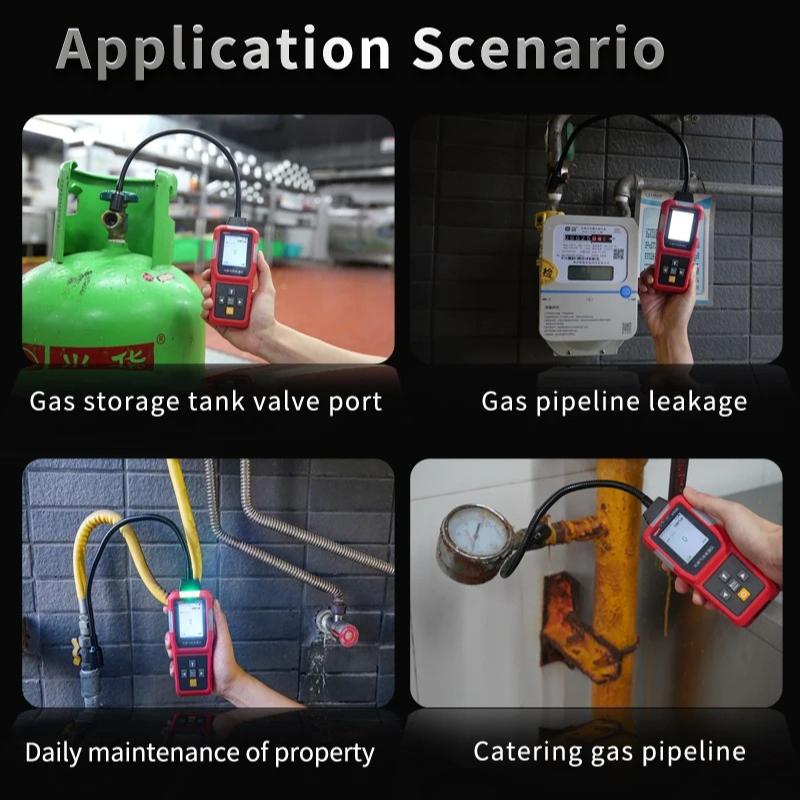
Scan the Area: Slowly move the detector around suspected leak points—gas valves, pipe joints, appliance connections, and basements. Hold it within 1–2 inches of the surface for best results.
Respond to Alarms: If the sound, light, or vibration alarm activates, do not use any electrical switches or open flames. Evacuate the area immediately and ventilate the space.
Reset and Recheck: After addressing the issue, reset the device and re-scan to confirm the leak has been resolved.



 No-delivery refund