Black Heat Shrink Tube 28Mm 1M


 Geld zurück bei NichtlieferungQualitätssicherungSicherer VersandDatenschutz
Beschreibung
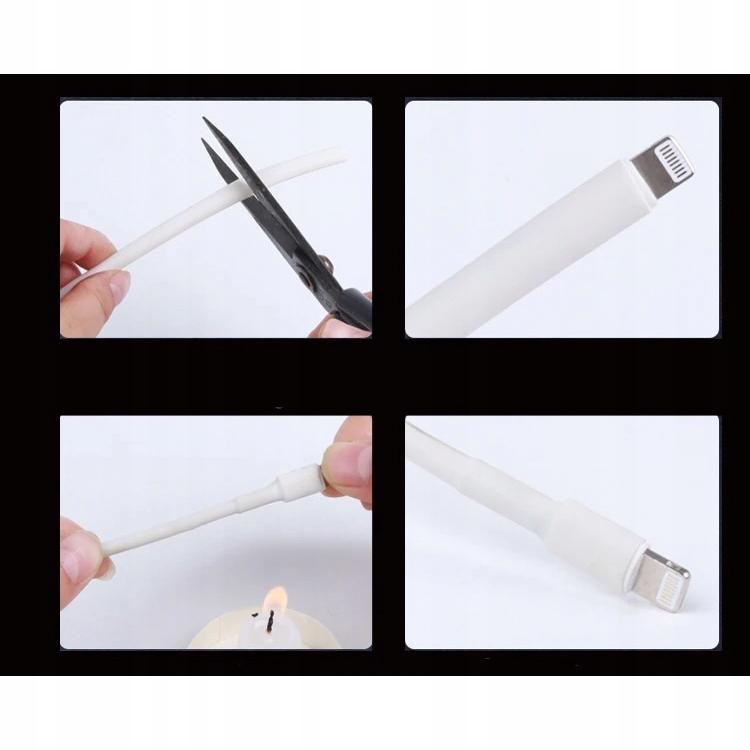
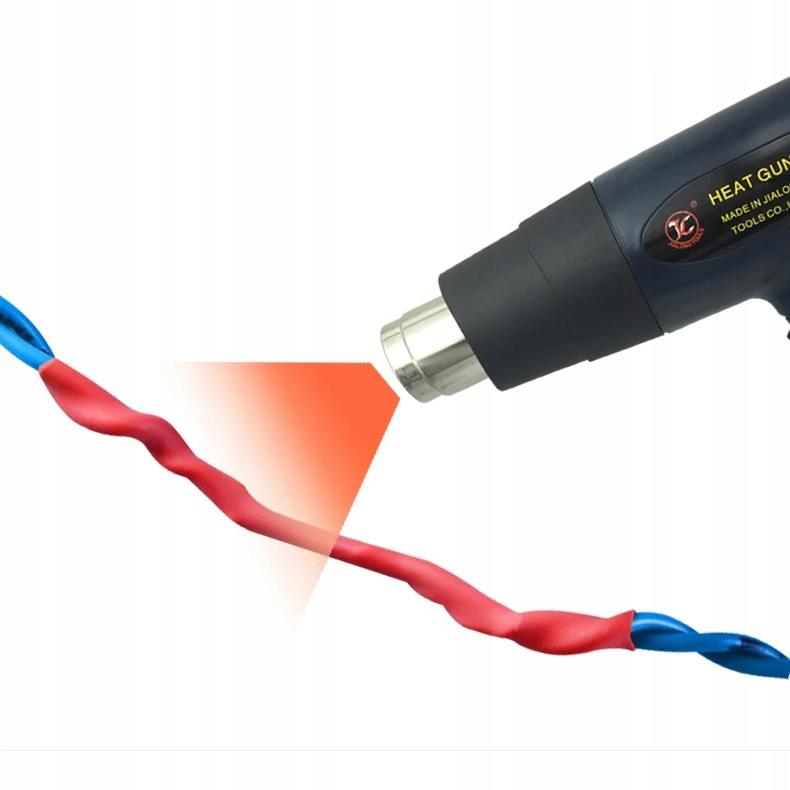
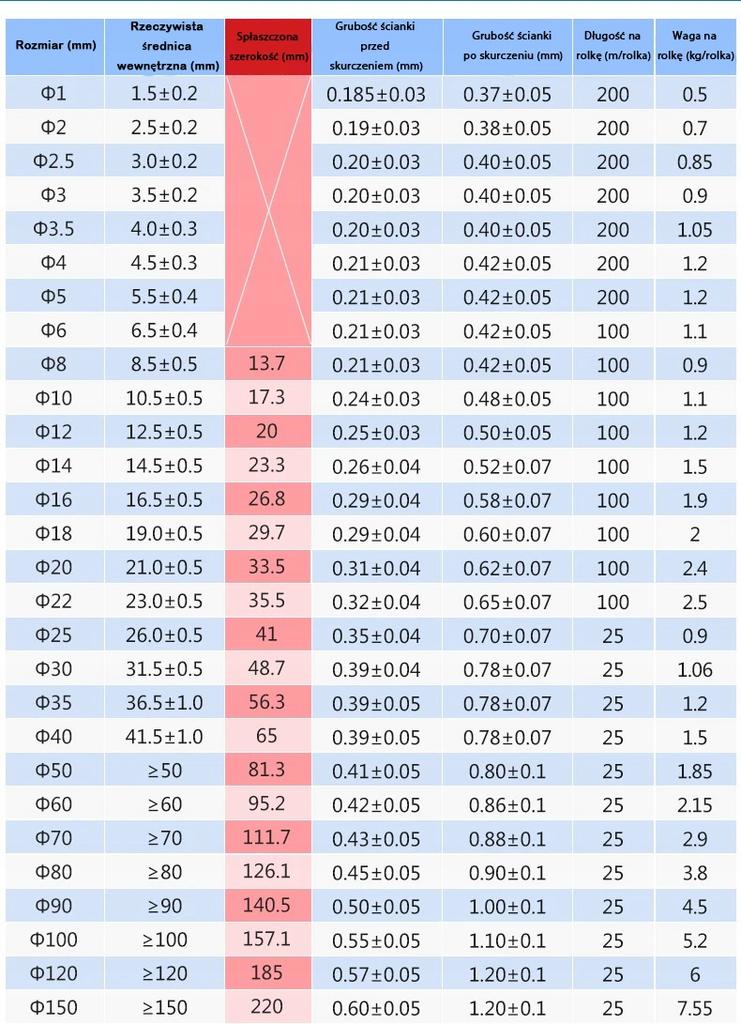
Black Heat Shrink Tubing 28mm 1m Thin-wall, self-extinguishing heat shrink tubing is highly flexible. Designed for insulation, protection, identification, and bundling purposes. They are widely used in electronics, telecommunications, and the automotive industry. Shrink ratio 2:1: Effectively reduces the diameter by half. Protection from external factors: After shrinking, it creates a protective coating. Ease of fit: Takes the shape of the object inside. ‼ You can check the exact parameters of the tube in the table below. The photo is for illustration purposes only, the offer applies to 1m of tube. By default, we cut tubes in 1m sections or in one piece. If you need a specific length, purchase the appropriate quantity and leave a message in the comments. (1pc = 1m)‼ Specification: Color: Black Diameter: 28mm Diameter after shrinking: 14mm Shrink temperature: Start at 100°C Complete shrink: 110°C Elongation at break: > 300% Range of use: -30~125°C Shrinkage ratio: 2:1 Axial shrinkage: 5% Flame retardant: Yes UV resistant: Yes Tensile strength: > 12MPA Maximum voltage: 1000V Waterproof seal Here are some examples of how these heat shrink tubings can be used: Electrical and Electronics: Heat shrink tubing is ideal for insulating and protecting electrical wires, joints, and connections. They protect against dust, moisture, and mechanical damage, and minimize the risk of short circuits. Technical Repairs: When repairing electronics, household appliances, or electrical devices, heat shrink tubing can be used to renew wire insulation or secure connections. Automotive: In the automotive industry, heat shrink tubing is used to insulate and protect wires in cars, motorcycles, and other vehicles. They protect against moisture and corrosion. DIY Projects: Those passionate about DIY can use heat shrink tubing to create professional insulation for their projects, such as building models, electronic circuits, etc. Markings and Color Codes: Different colors of heat shrink tubing can be used to mark wires or connections, making identification and maintenance easier. Electronic Component Protection: Heat shrink tubing can be used to protect delicate electronic components such as diodes, capacitors, and microswitches. Water Line Insulation: In some applications, heat shrink tubing can be used to insulate water lines or pipes, providing protection against corrosion and moisture. Creating Seals: Heat shrink tubing can be used to create seals in a variety of applications, such as insulating pipe joints in water or gas systems. Workshop Work: In mechanical, electrical, and technical workshops, heat shrink tubing is widely used for repair and maintenance. Emergency Repairs: In emergency situations or in the field, heat shrink tubing can help quickly secure damaged wires or connections. Installing heat shrink tubing is a relatively simple process but requires certain steps to achieve permanent and effective protection of wires or connections. Below you will find step-by-step instructions on how to properly install heat shrink tubing: Material Preparation: Make sure you have all the necessary tools and materials. You will need the appropriate size heat shrink tubing, a heat shrink gun or other heat source, and the wires or components you want to insulate or protect. Wire Preparation: If you are protecting wires, make sure they are clean and dry. You can also slit the wire insulation to prepare them for the tubing. Selecting the Tubing Size: Choose the appropriate heat shrink tubing that matches the diameter of the wires or components you are protecting. Remember, the tubing should be slightly larger than the wire for a perfect fit after shrinking. Tubing Placement: Slide the heat shrink tubing over the wire or component you want to protect. Make sure the tubing is positioned correctly and covers the entire length of the area you want to insulate. Heat Application: Aim a heat source (heat shrink gun, hair dryer) at the heat shrink tubing. Be sure to keep the heat source away from the tubing and avoid heating any one spot for too long to avoid overheating. Observing Shrinkage: The heat shrink tubing will gradually shrink when exposed to heat. Observe this process to ensure the tubing shrinks evenly and adheres to the wire or component. Thorough Shrinkage: Ensure the heat shrink tubing adheres completely to the wire and covers the entire area you wanted to protect. Some tubing will reduce in length by as much as half. Cooling: After thoroughly shrinking the tubing, allow the wire or component to cool. Make sure the tubing is completely cooled before proceeding. Condition Assessment: Check that the heat shrink tubing is installed correctly and has provided permanent insulation or protection. Make sure there are no damages or imperfections. Repeat (optional): If you are protecting multiple wires or components, repeat the same steps for each one.