The Tale of Genji has taken on a completely different look, illuminated by different light and shadow.
For some reason, it was incredibly easy to understand and a smooth read. I was amazed. (Machida Yasushi)
Neither Asian nor European.
This is the birth of "world literature" (Shimauchi Keiji)
Around the time of the grand ceremony celebrating Shining Prince Genji's fortieth birthday,
the times slowly began to change.
An emperor was replaced, a young, new princess ascended to the court,
and love stories were passed down to future generations.
Some fell ill, some passed away, and some were left behind.
From ecstasy to loneliness, from joy to grief.
And soon, Genji himself had to depart.
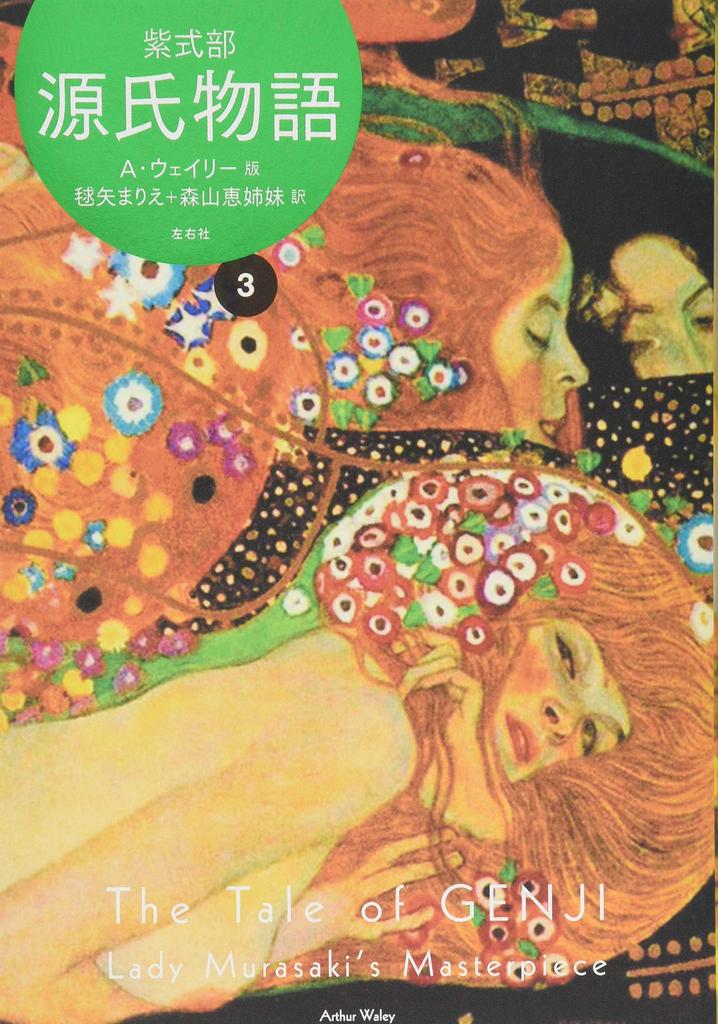
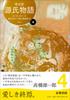
As soon as it was published, Arthur Waley's version of The Tale of Genji instantly became known as a global classic.
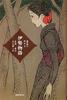
This masterful translation conveyed the timeless poignancy of our encounters, partings, and the sadness of fate. The highly acclaimed third volume of Weily's Tale of Genji is finally here!
[Synopsis]
Genji's son, Reizei, became Emperor and completed a grand palace rivaling the Palace.
While Genji was at the height of his glory, time passed on to the next generation.
Genji's son, Yugiri, fulfills his long-held secret love,
and Tonochujo's son, Kashiwagi, longs for Nyosan.
While everyone was congratulating Genji as he graced the Palace with the Akashi Princess,
the fate of this love and the destinies of the people slowly began to change.
Emperor Reizei abdicates, Kashiwagi suddenly dies, and his orphan, Kaoru, is born.
And then, shortly after Murasaki's death, Genji also passes away.
Genji, the shining center, leaves the stage of the story.
These 17 chapters depict, in magnificent strokes, the hearts and relationships of people shaken by these ripples.
This collection covers the first half of the "Uji Chapter," which begins the story of Genji's grandson Niou and Kaoru.
What does it mean for The Tale of Genji to be a piece of world literature?
Shimauchi Keiji has contributed an essay comparing it with Tanizaki's Genji.
Waka notation supervision: Fujii Sadakazu



![Torii Kiyonaga und Katsukawa Shuncho (Hayashi Yoshikazu's Edo Erotikbuchsammlung [13 Bände])](https://img.joomcdn.net/710ed85d35c27b9ebf6dda550b16c862ff56df7f_70_100.jpeg)