Dein Browser unterstützt die Seite nicht. Bitte aktualisiere deinen Browser oder lade einen anderen herunter
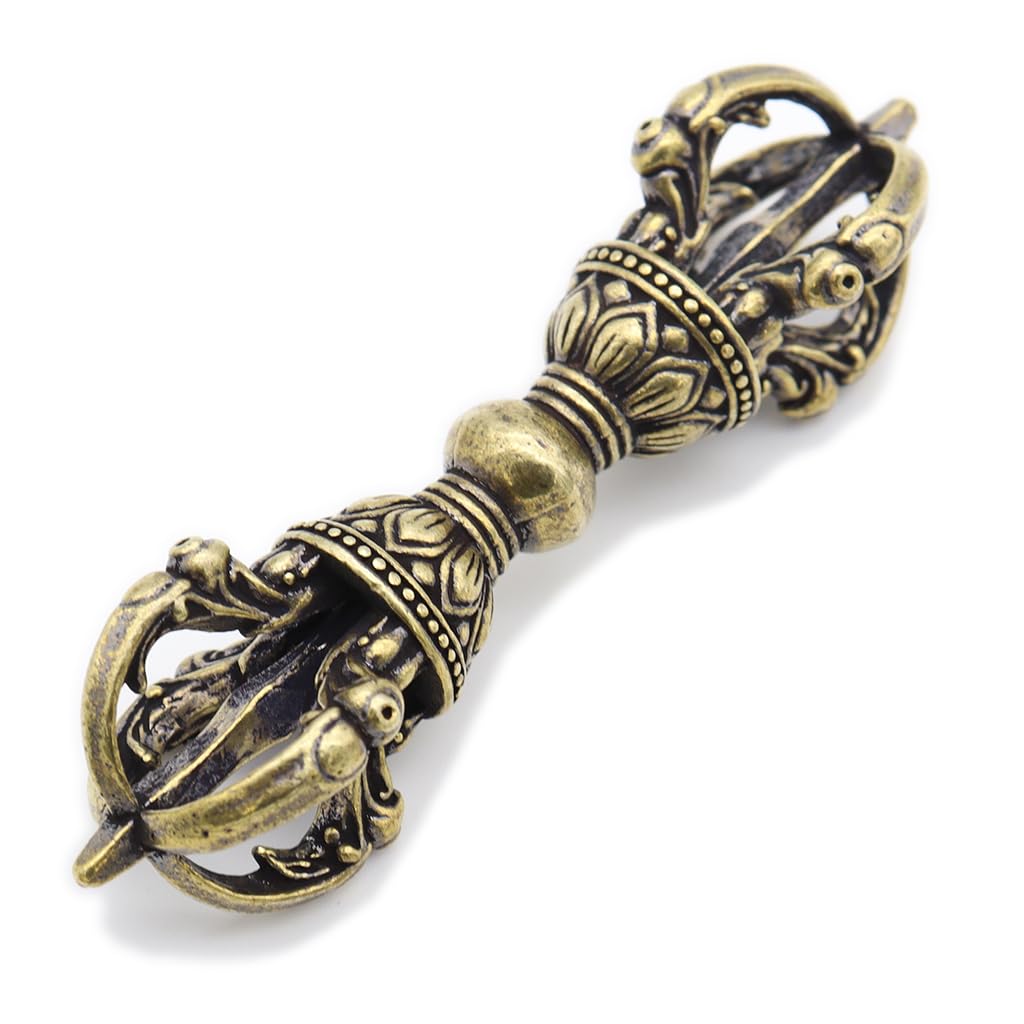
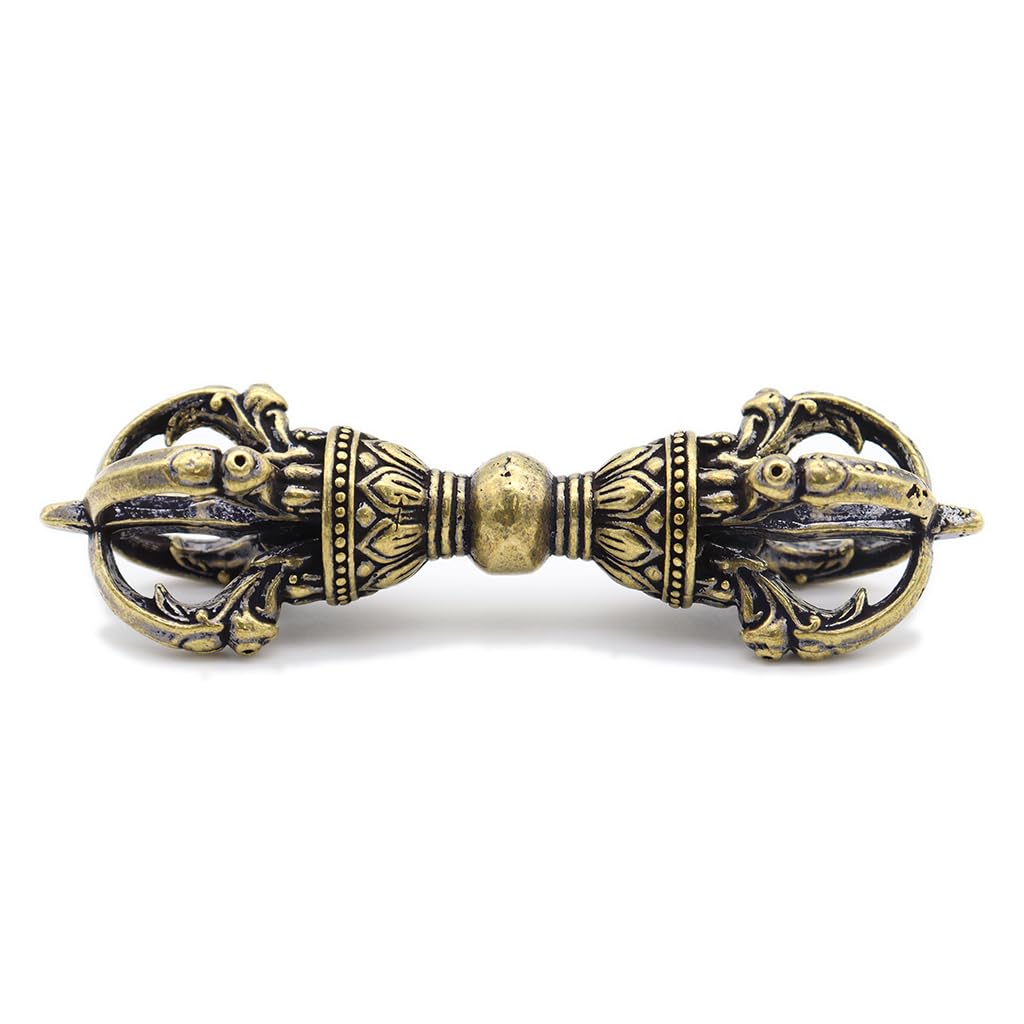
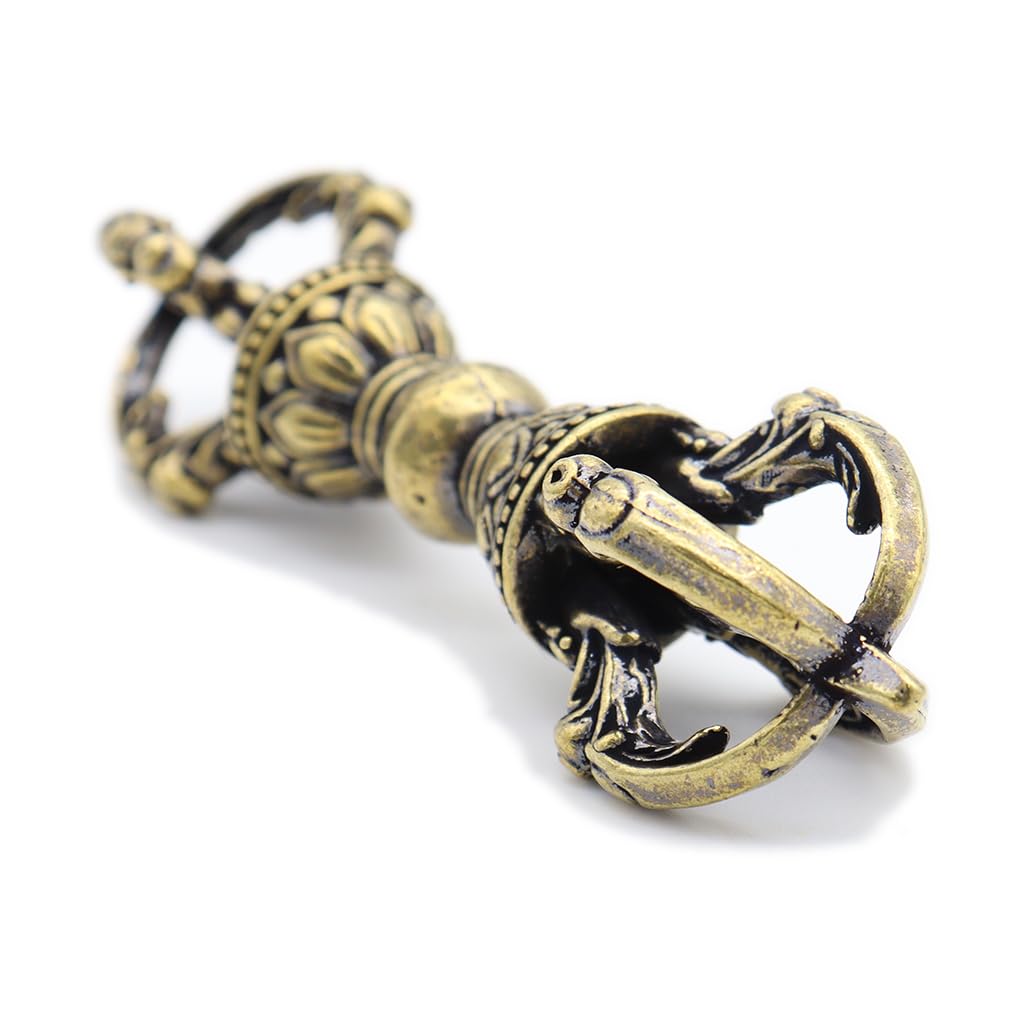
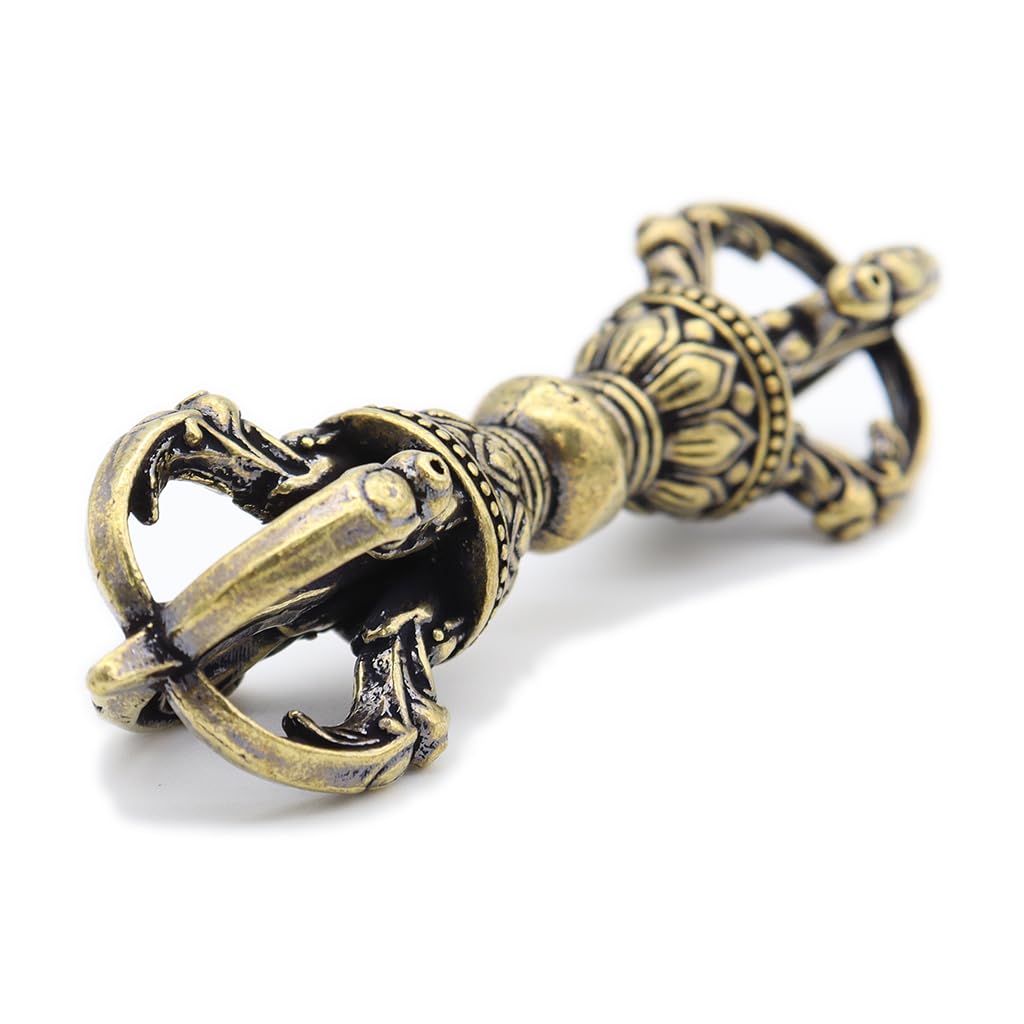
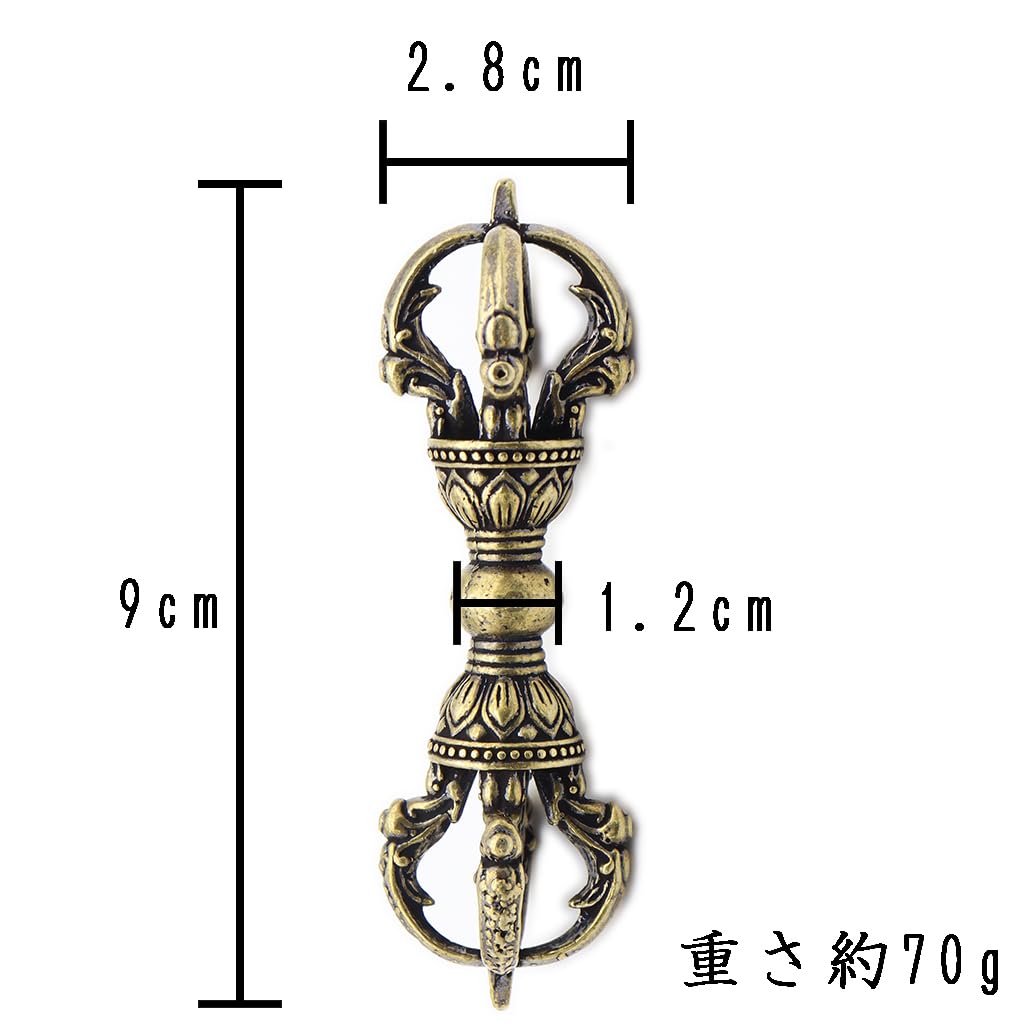
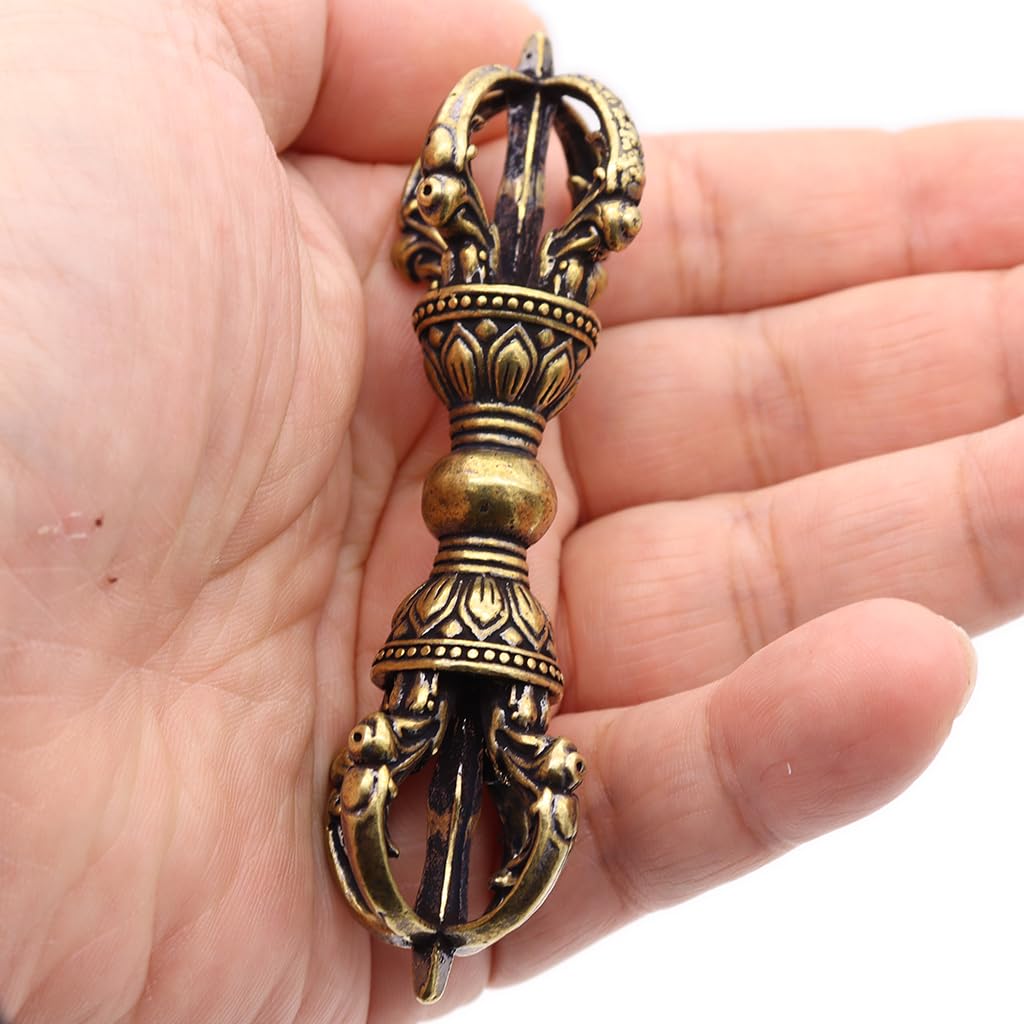
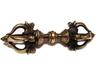
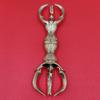
Kurita's meticulously crafted Buddhist statues: Five-pronged vajra (9cm), metal, brass, Buddhist implement, Esoteric Buddhist ritual implement, m2001
Aktueller Preis
Preis 84,22 €Inkl. MwSt. & Importgebühr
Wird geladen ...
Wird geladen ...
Wird geladen ...
Wird geladen ...
Wird geladen ...
Wird geladen ...
Wird geladen ...
Wird geladen ...
Wird geladen ...
Wird geladen ...
Wird geladen ...
Wird geladen ...
Wird geladen ...
Wird geladen ...
Wird geladen ...

Lieferung nach Österreich
0 Werktage · € 5 pro Bestellung

Sichere Zahlung & Datensicherheit


 Geld zurück bei NichtlieferungQualitätssicherungSicherer VersandDatenschutz
Sicherheit & Konformität

Hersteller
Beschreibung

RURI Japan product
4,7/65
Ähnliche Produkte
![Kuritas Spezielle Buddhistische Statue [Ritualgegenstand] 9cm Metall-Vajra, Messing, Buddhistischer Altargegenstand, Esoterischer Buddhistischer Ritualgegenstand, m2001](https://img.joomcdn.net/004b7ec4531a790c0acaff366a8a73677773d590_100_100.jpeg)



![Messing-Vajra, ein buddhistisches Altarzubehör, 15 cm, perfekt zum Abwehren böser Geister, zur Reinigung, Meditation und Heilung. [Parallelimport]](https://img.joomcdn.net/10494aa853a35f97d52d77800f684e5796977c2c_100_100.jpeg)


![Sankosho Dreizack Vajra mit Glocke zur Vajra-Waffenreinigung, Pilgerfahrt, Hotsuma, Katakamuna, Blitz, Selbstverteidigung [Artikel]](https://img.joomcdn.net/631428c46ea406de0a0ee9e1d38574d94ff8cbb1_100_100.jpeg)