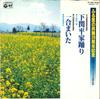
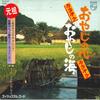
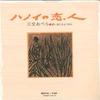
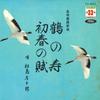
FORMAT: 7-Zoll-Schallplatte
KÜNSTLER: Kein Künstler
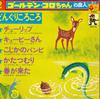
TITEL: Größe zum Spielen – verschiedene Weinen-
ETIKETT: COLUMBIA TD1006
ANZAHL DER DISCS: 1
CA. JAHR: 1973
LAND: JAPAN
GENRE: Japanisch Andere
STIL: Technische
*Bei dem Artikelfoto handelt es sich um ein Beispielbild, dem der Barcode/die Katalognummer zugeordnet ist.
Zubehör wie Obi und Liner sind nur im Lieferumfang enthalten, wenn dies in unserer Auflistung angegeben ist.
Es kann zu leichten Abweichungen zwischen dem tatsächlichen Artikel und dem Foto kommen.
Promo- und Farbvinyl werden hier nur erwähnt, wenn verfügbar/entsprechend.
ZUSTAND
MEDIEN: Exzellent (EX)
ÄRMEL: Sehr gutes Plus (VG+)
OBI: Nein
Knick/Falten auf dem Cover,
Nummer 2402556
Bewertungssystem: Wie Neu (M-) | Ausgezeichnet (EX) | Sehr gut Plus (VG+) | Akzeptabel (VG) | Schlecht (VG-) | Sehr schlecht (G) | Müll (Messe) | Müll (Schlechte) | Neu (M)
Alle unsere Artikel werden anhand eines strengen Bewertungsverfahrens visuell beurteilt.
OBI, LINER und Zubehör sind nur im Lieferumfang enthalten, wenn dies in unserer Beschreibung angegeben ist.
ZUSTAND
Alle Artikel werden auf anderen Plattformen verkauft, einschließlich UNSEREM HEAD WEB STORE. Bitte beachten Sie, dass wir die Bestellung stornieren, wenn dieser Artikel nicht vorrätig ist..
Die Artikel werden nach dem Prinzip „Wer zuerst kommt, mahlt zuerst“ vergeben.. Ein Artikel wurde möglicherweise in unserem Geschäft, im eBay-Shop oder in anderen Filialen VERKAUFT. Wenn ja, dann TUT ES UNS LEID, aber wir stornieren die Bestellung.
------------------------------------------------------------------
RecordCityJP
Der weltweit führende Verkäufer japanischer Vinyl- und CD-Pressungen
Über 1.000.000 Artikel auf Lager – Pressungen aus aller Welt
Engagiertes Kundensupportteam
------------------------------------------------------------------


 Geld zurück bei Nichtlieferung